Turn NGS data into actionable insights
Unlock the full power of next-generation sequencing with ease.
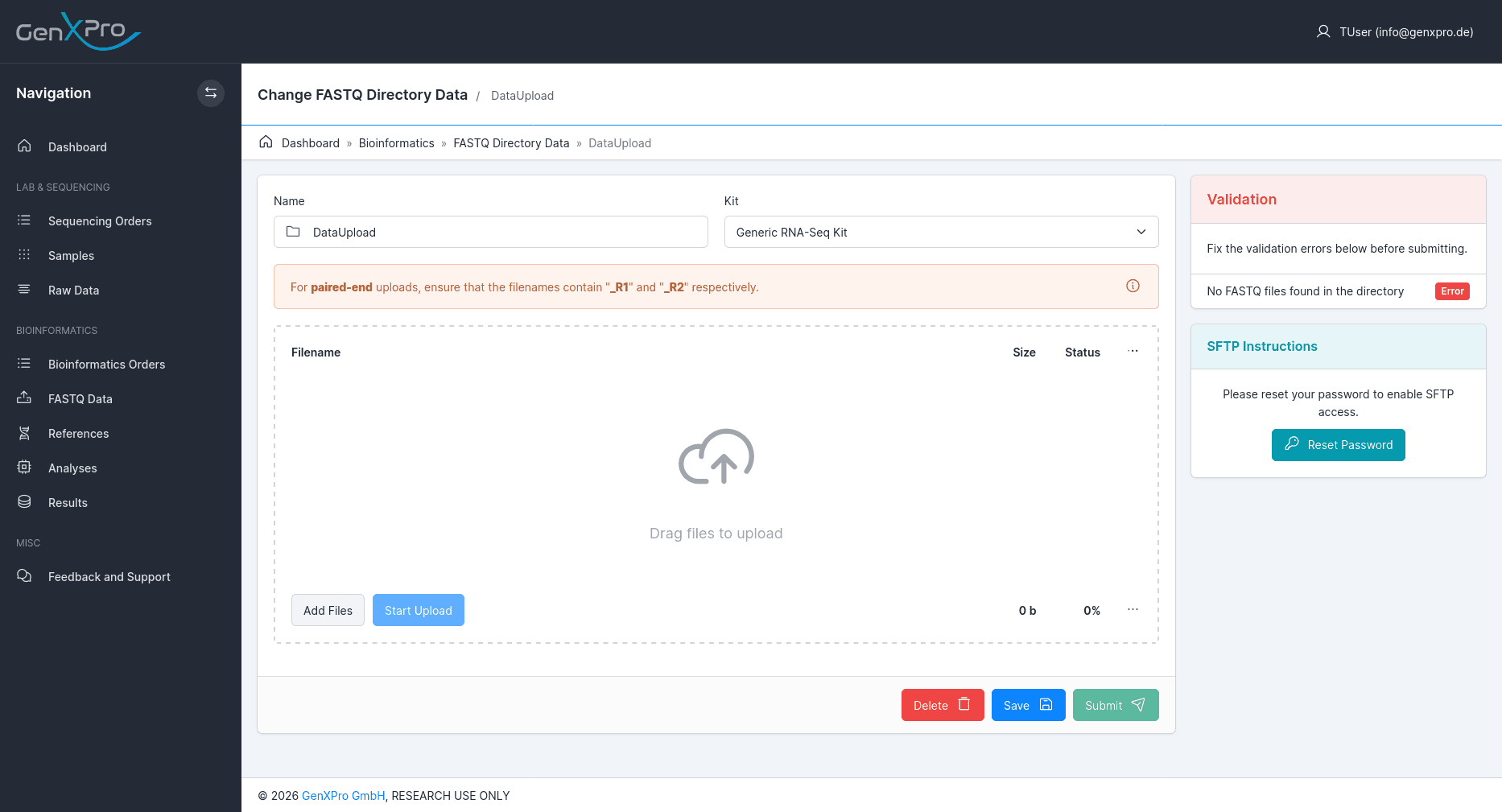
Upload your FASTQ raw data, select your analyses, and receive high-quality results in minutes.

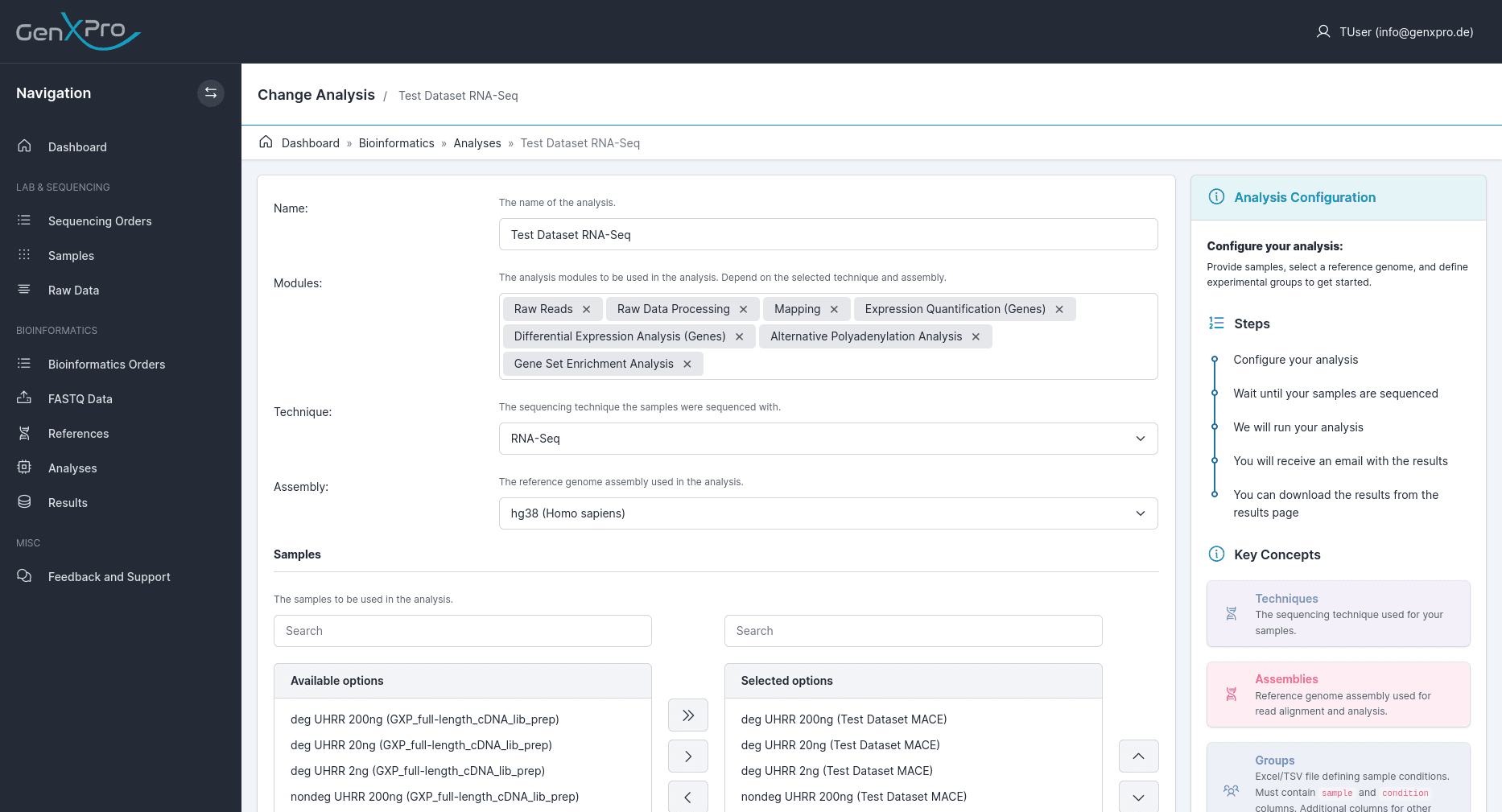
Everything you need to test your hypotheses.
From data submission to workflow execution and results interpretation. No technical expertise required.
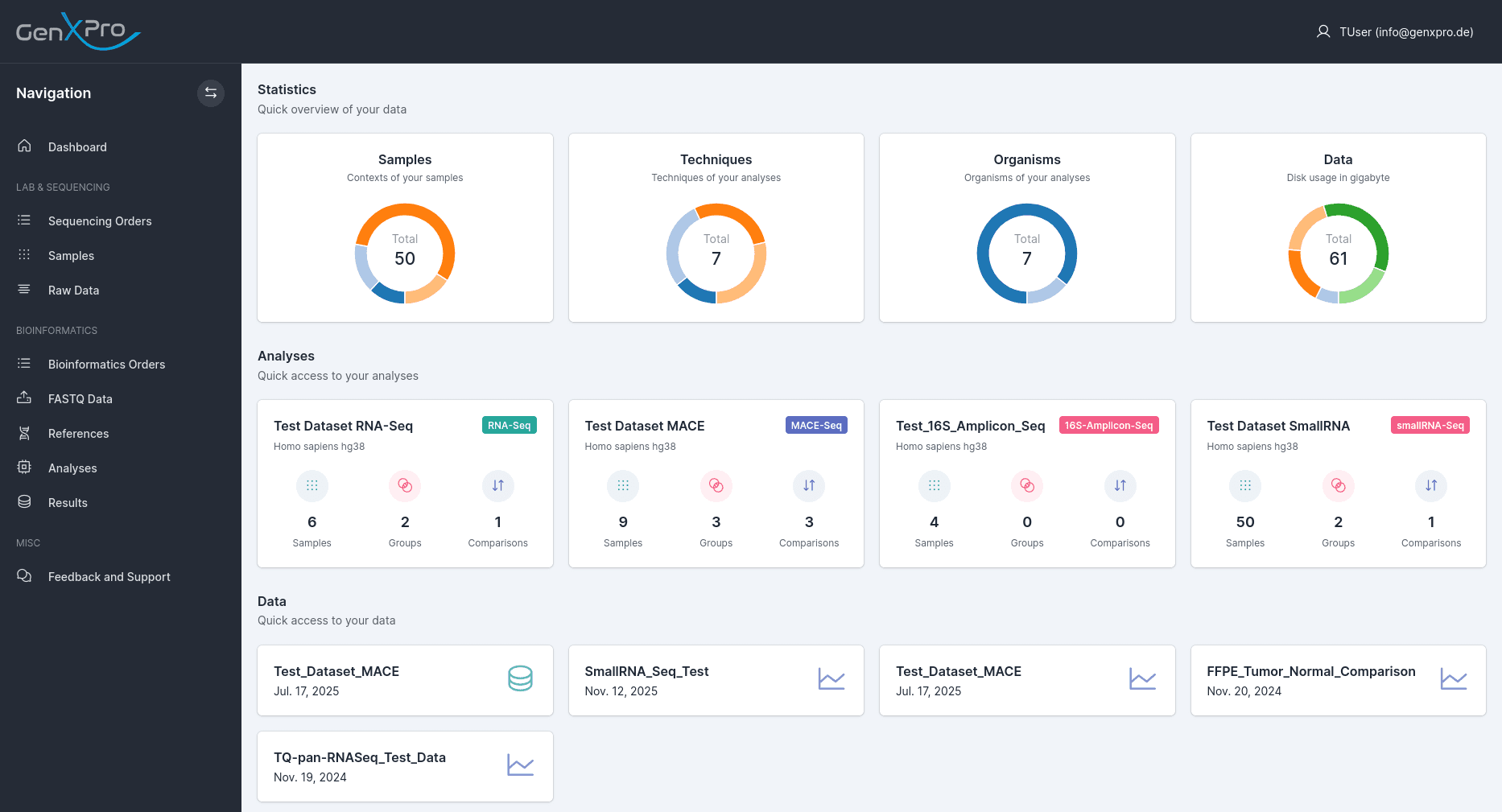
Keep track of your projects and analyses in a single dashboard view.
Understand faster
The summary report
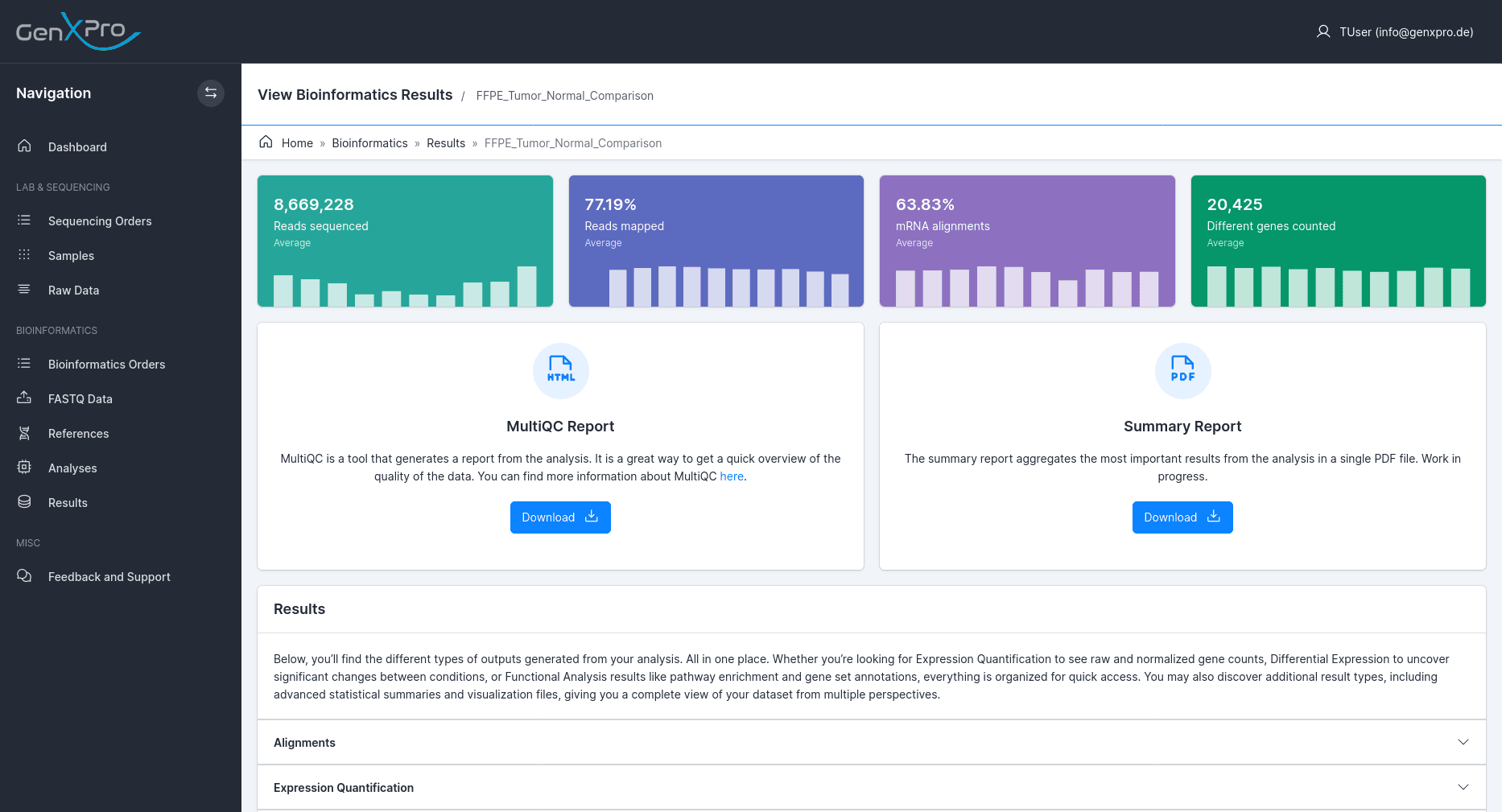
The summary report is a comprehensive report that provides a summary of the analysis results. It is a great way to get a quick overview of the analysis results.
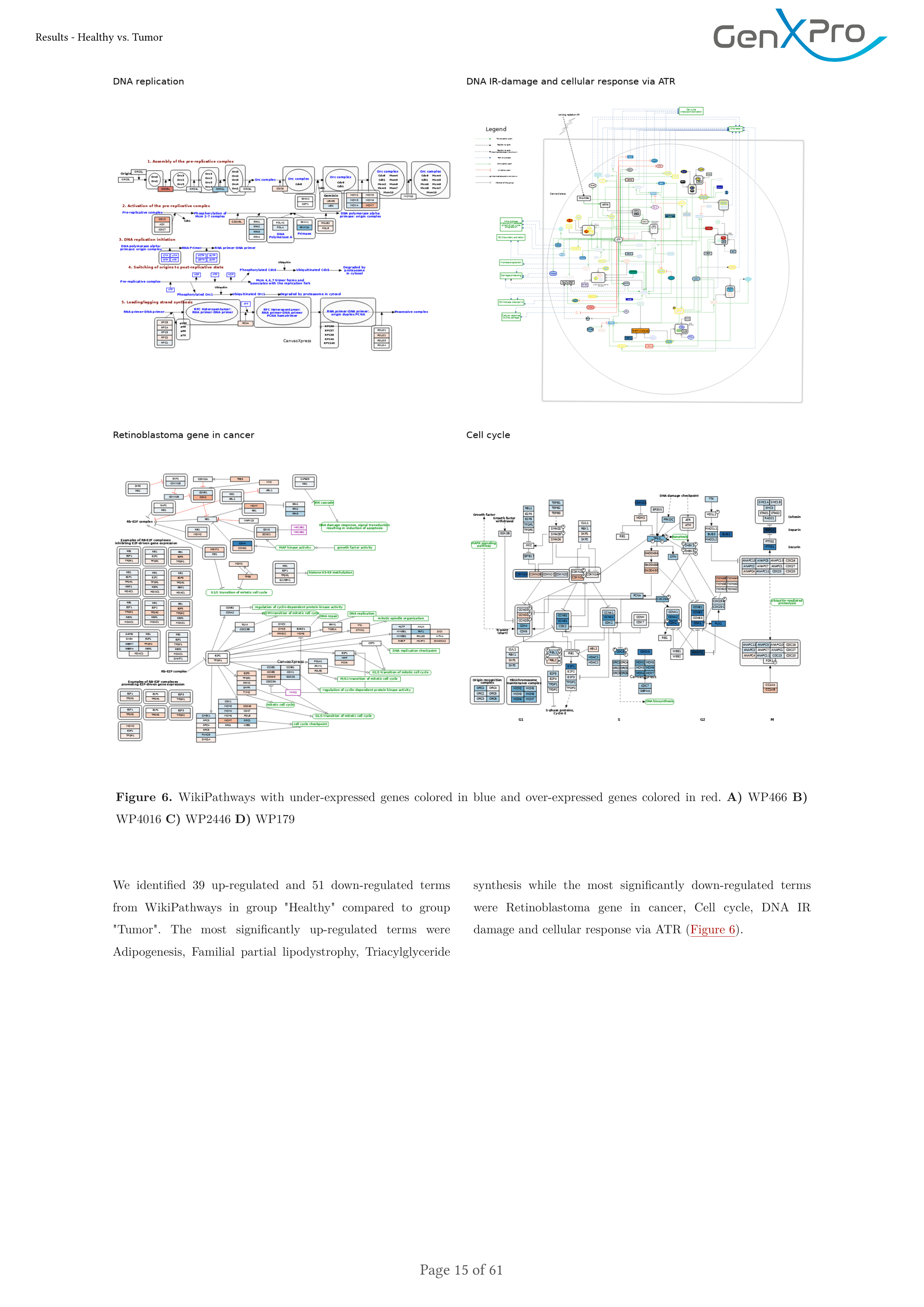
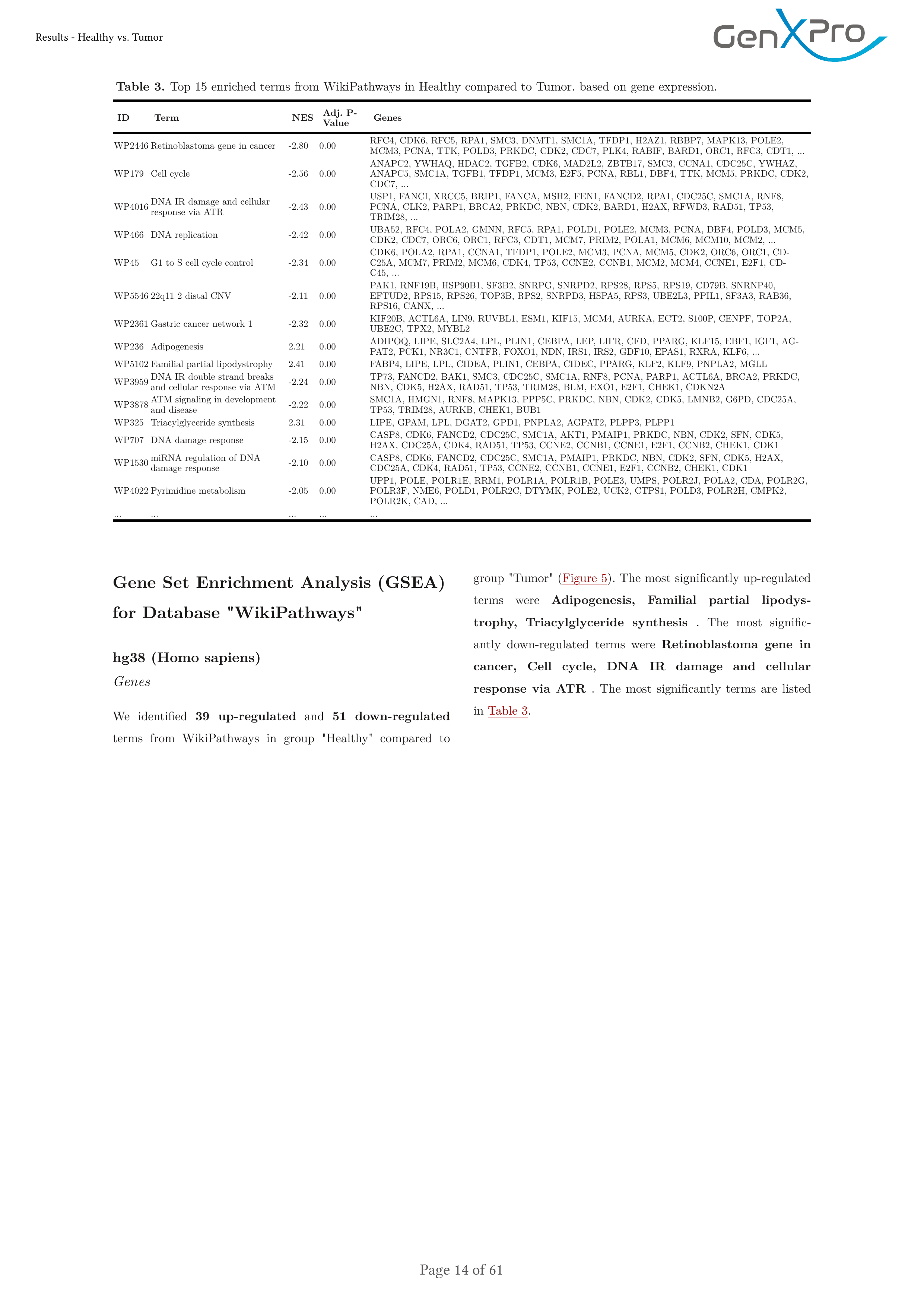
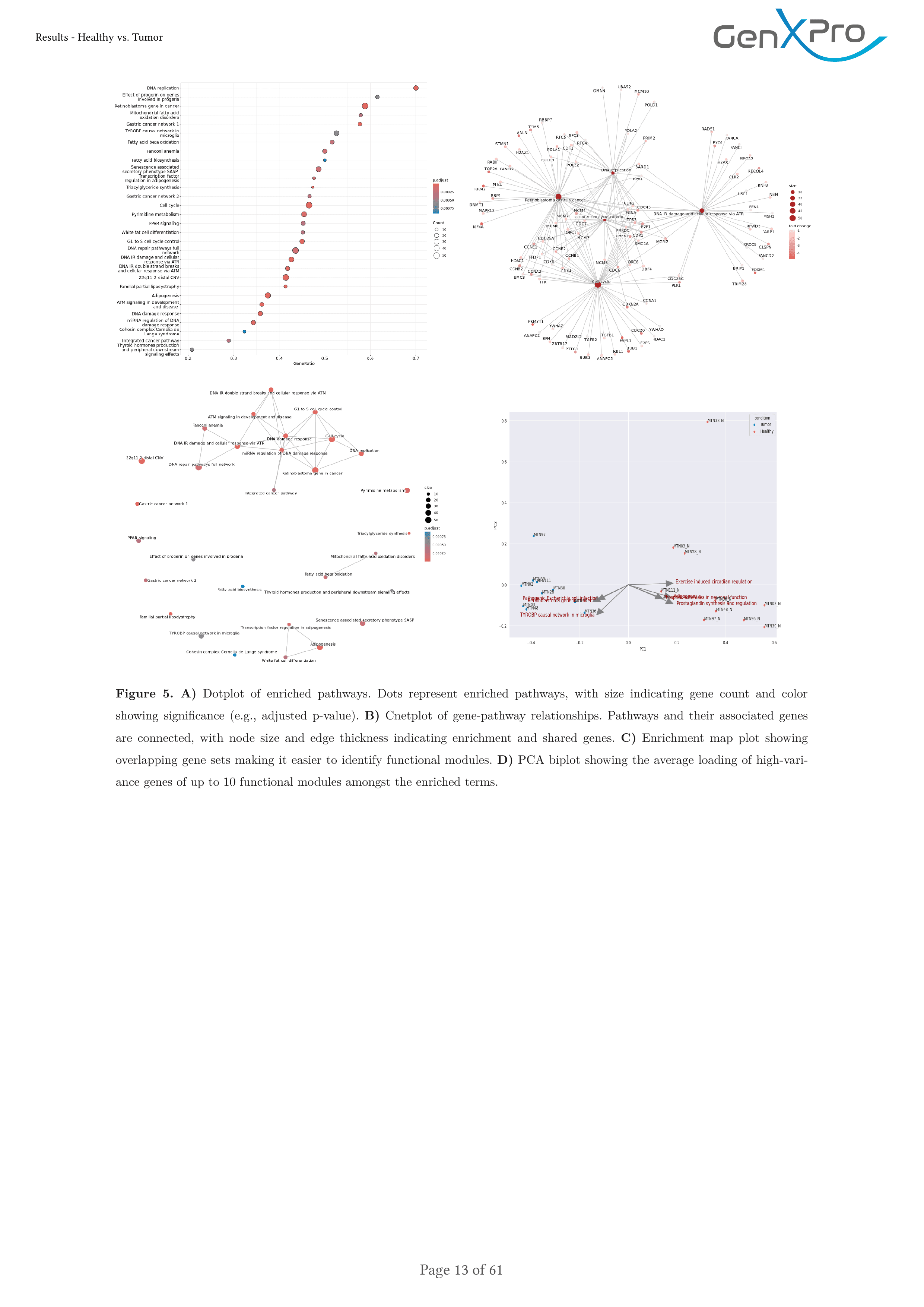
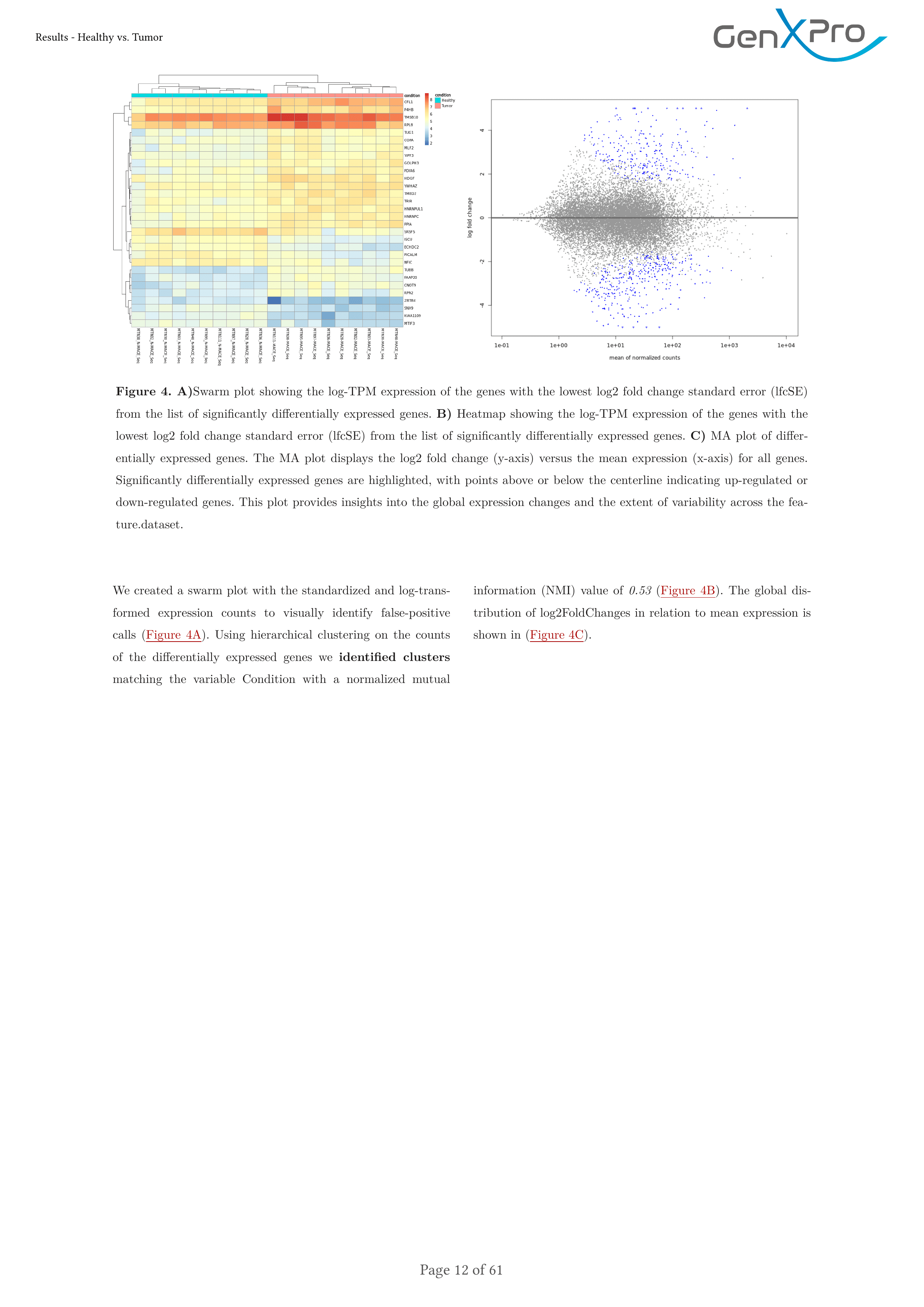
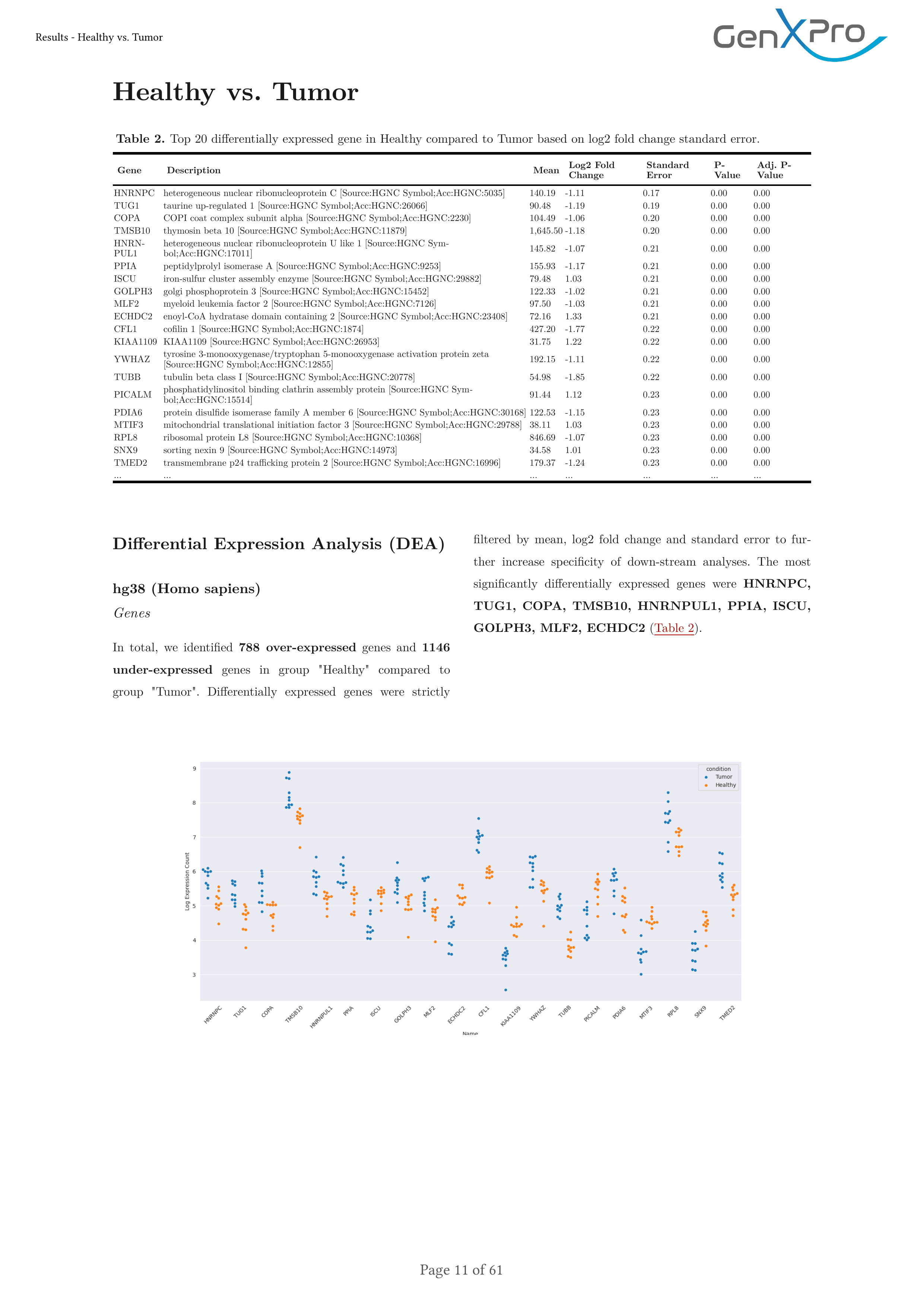
Bioinformatics pipelines can produce vast amounts of complex results, making it challenging to identify the most significant findings and key visualizations within the data. To make this process easier and to ensure that essential information is not overlooked, we include a comprehensive summary report in the results. This summary report distills the most relevant metrics, trends, and highlights, allowing you to quickly gain meaningful insights and direct your attention to the parts of the analysis that matter most.
- QC metrics at a glance. The summary report includes QC metrics such as the number of reads, the number of mapped reads, the percentage of mapped reads, and the quality score distribution.
- Primary findings highlighted. The summary report includes the primary findings on top of the report to help you quickly understand the data.
- Meaningful insights at hand. Directly find the most important visualizations of your data. No need to search through all results.
The summary report is designed to help you save time and gain confidence in your results. It puts the most important data at your fingertips, ensuring that you don’t miss key findings—whether it’s an overview of quality metrics, primary results, or practical insights. Everything you need to get started with further analysis or to communicate your results clearly is available in one place.
Advanced analytics
We provide full tables and other file formats next to the summary report. This allows you to easily access the data and use it in your own analyses.
- with non-model organisms
- Years of experience
- of the latest sequencing techniques
- In-depth understanding
- for you field of research
- Tailored support
Publish faster
Everything you want to know about the data
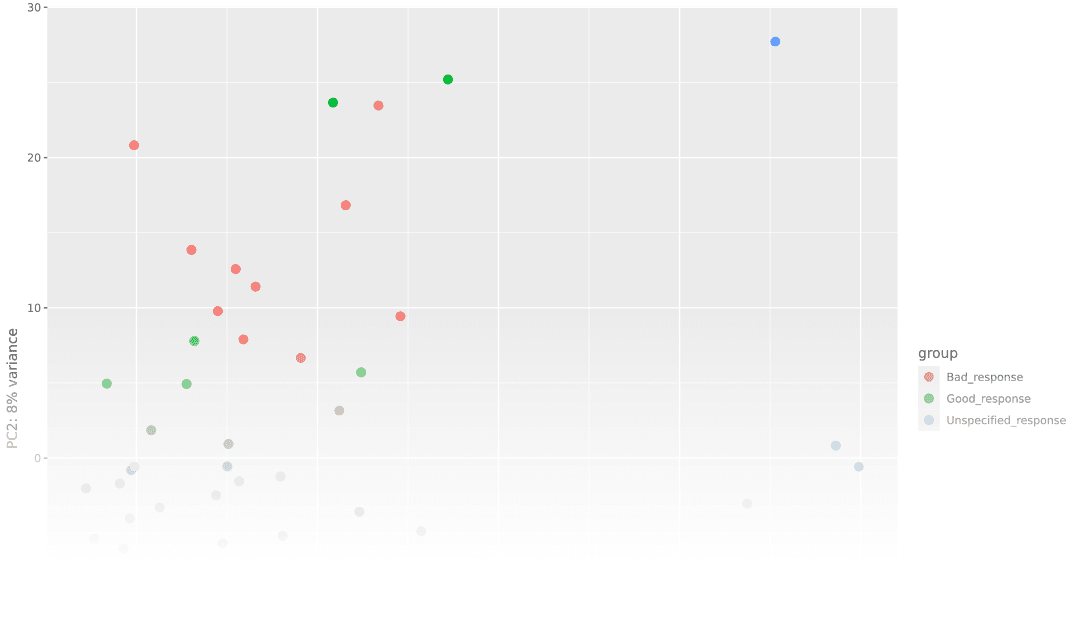
PCA plots
Visualize your groups
Principal Component Analysis (PCA) is a statistical technique that transforms high-dimensional data into a lower-dimensional space while preserving the most important information. It is commonly used in bioinformatics to visualize and analyze gene expression data.
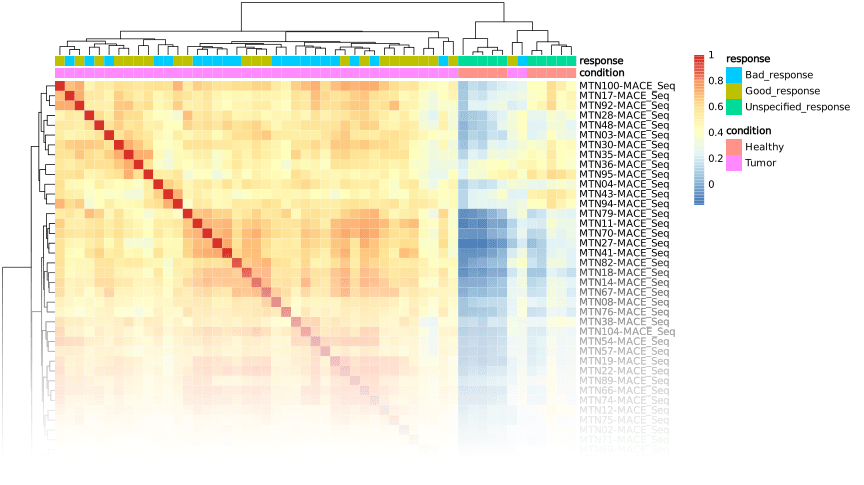
Correlation heatmap
See patterns in your data
A correlation heatmap is a graphical representation of the correlation matrix of a dataset. It is commonly used in bioinformatics to visualize the relationships between genes.
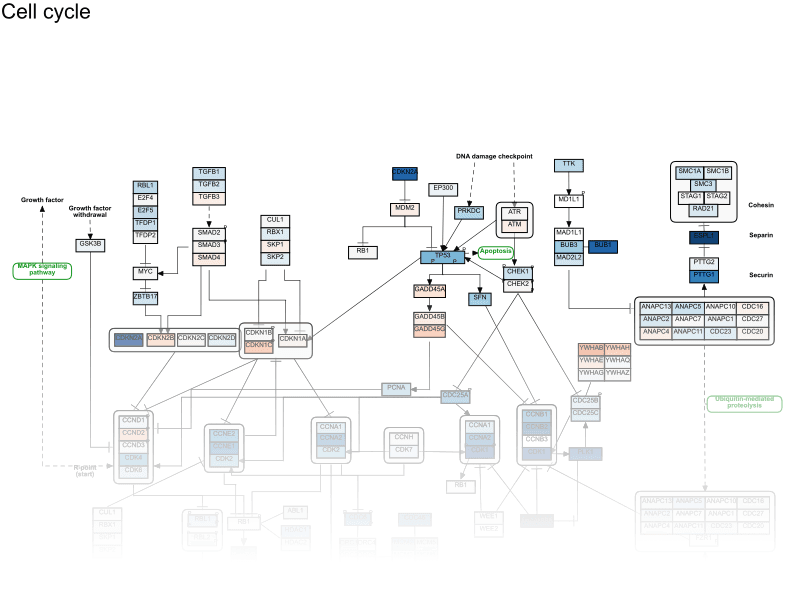
Pathway analysis
Explore your data
Pathway analysis is a statistical technique that identifies pathways that are significantly enriched for a given set of genes. It is commonly used in bioinformatics to identify pathways that are significantly enriched for a given set of genes.
Alternative polyadenylation
Discover regulatory elements
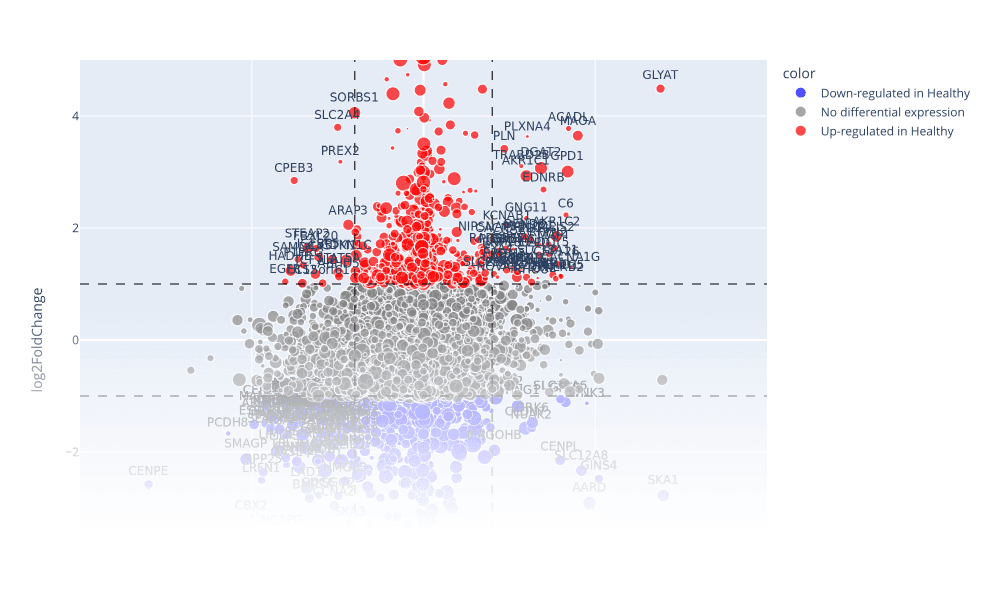
Alternative polyadenylation is a process that involves the addition of a polyadenylation signal to the 3' end of a mRNA. It is commonly used in bioinformatics to identify alternative polyadenylation events.
Advanced analysis
Discover hidden patterns
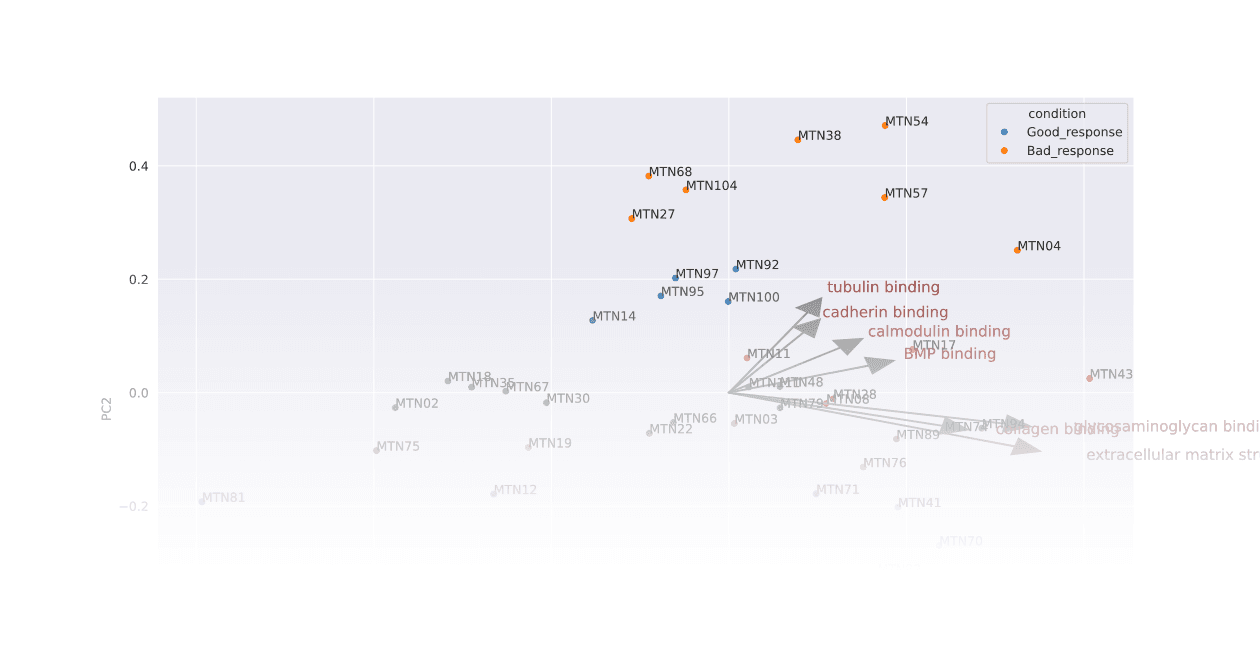
Advanced analysis is a statistical technique that identifies hidden patterns in data. It is commonly used in bioinformatics to identify hidden patterns in data.

All-in-one platform
We support many different techniques and organisms. You can use our platform to analyze your data for any of the following techniques:
- bulk RNA-Seq
- Sequences all RNA from a population of cells or tissue, capturing an average expression profile. Typically involves isolation of total RNA from a tissue sample without separating cell types.
- total RNA-Seq
- Measures all RNA species present, including coding and non-coding RNA, often following rRNA depletion. Protocols capture mRNA as well as additional RNA types such as lncRNA, miRNA, and snRNA.
- 3'-Seq
- Sequences only the 3' ends of transcripts, focusing on polyadenylated RNA for efficient quantification. Library preparation and sequencing specifically target the 3’ transcript ends.
- smallRNA-Seq
- Optimized to sequence short RNA molecules (typically <200 nucleotides), such as miRNAs, piRNAs, and siRNAs. Libraries are prepared to select and sequence these small RNA species.
- DNA-Seq
- Involves sequencing genomic DNA to analyze variants, copy number, or genome structure. Includes extraction and sequencing of total genomic DNA, or application of whole-genome or targeted DNA sequencing.
- Exome-Seq
- Captures and sequences only the exonic (protein-coding) regions of the genome. Protocols include an exome enrichment or capture step targeting coding regions.
Browse through your data.
We provide a set of browsers for analyzing your data. You can use them to visualize your data and explore the relationships between your samples.
Alignment Browser
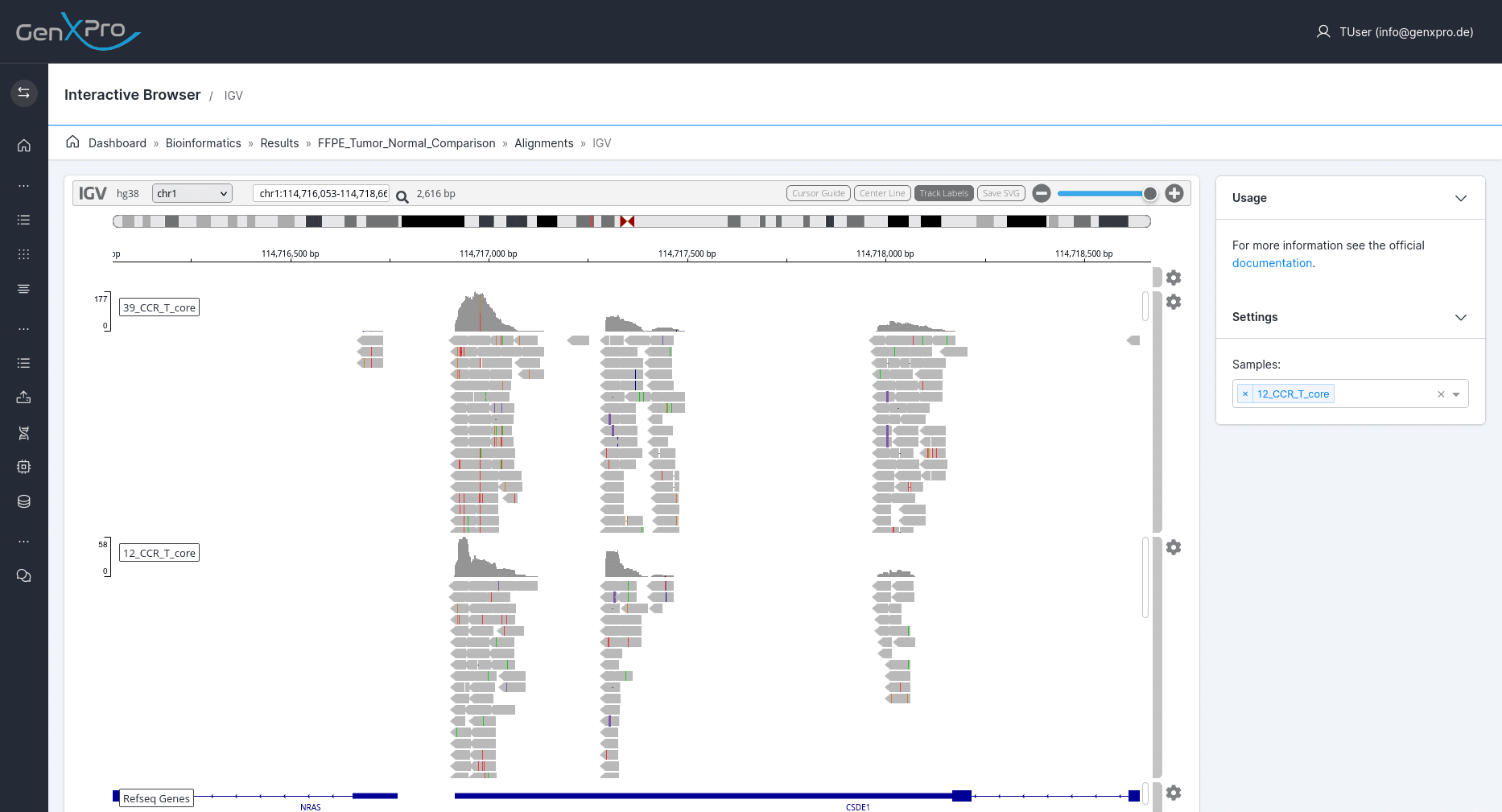
Visualize your aligned reads in the interactive genome viewer (IGV).
Browse your aligned reads in a browser-like interface. You can see the alignment of your reads to the reference genome and the coverage of the reads.
Expression Browser
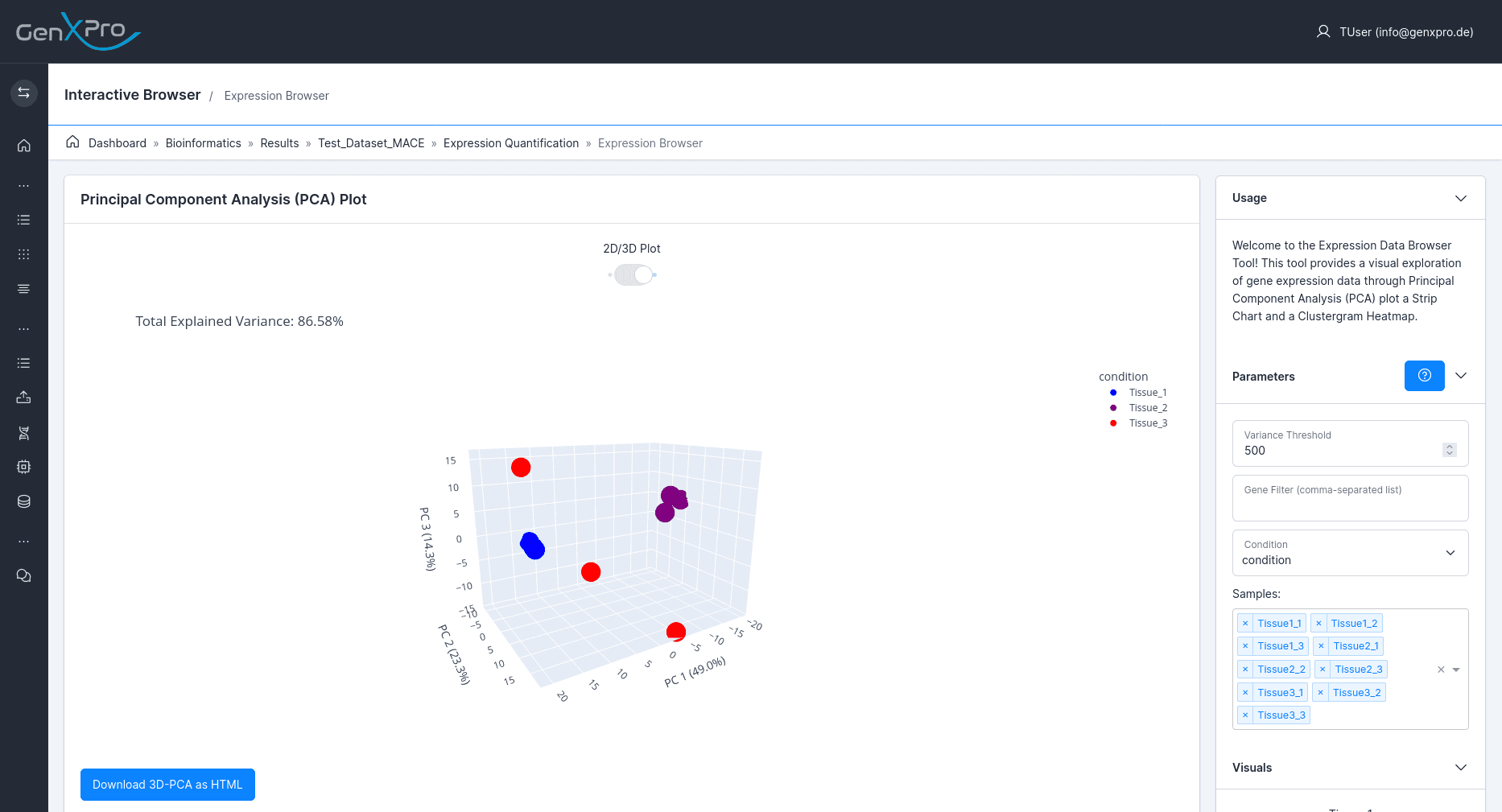
Cluster your samples based on their expression profile.
Explore relationships between your samples based on their expression profile using principal component analysis (PCA), strip charts, heatmaps, and upset plots.
Differential Expression Browser
Identify key differentially expressed genes between your groups.
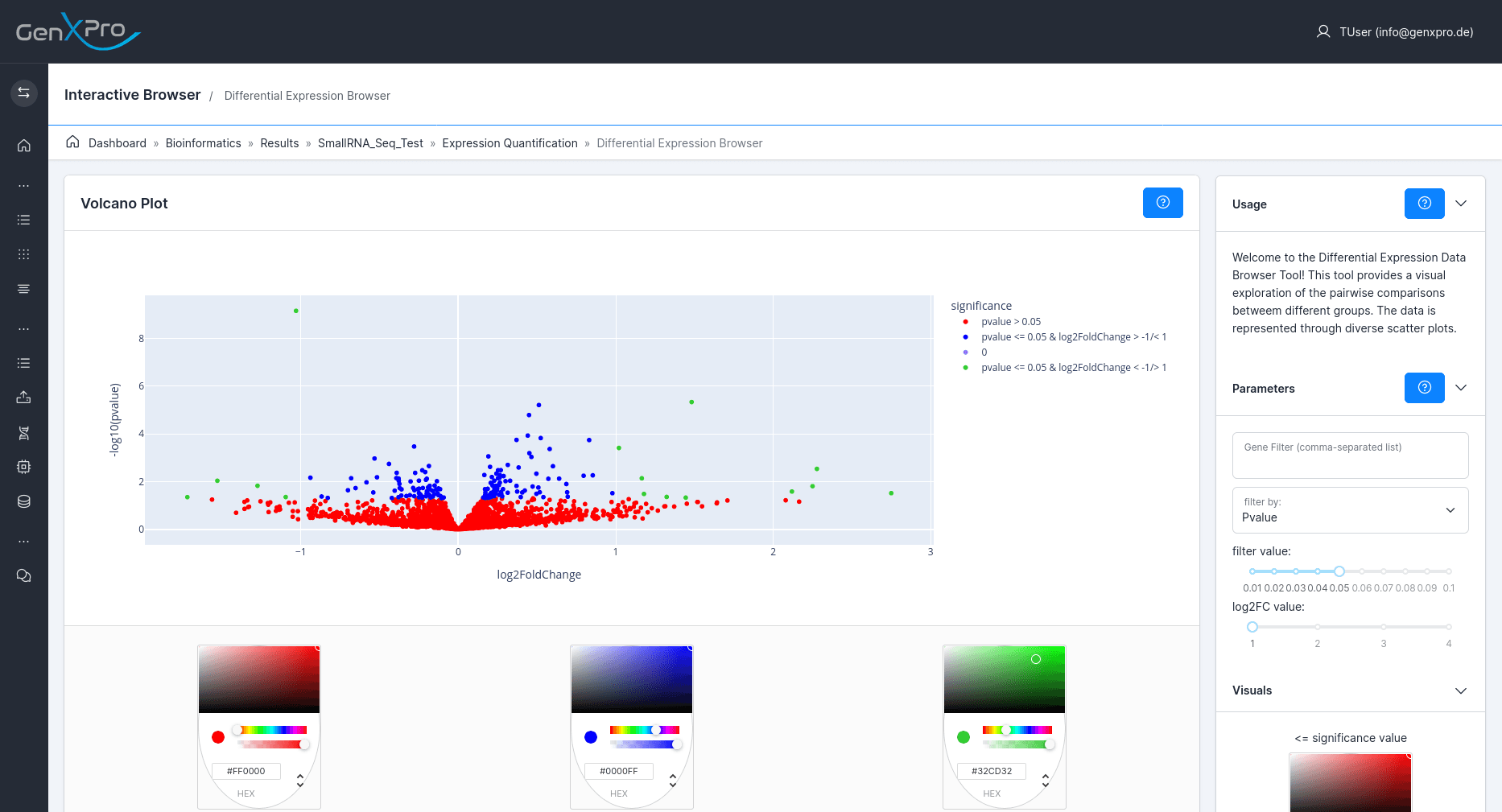
Compare groups of samples and their statistical differences using volcano plots, scatter plots, MA plots, and upset plot.
Visualize your aligned reads in the interactive genome viewer (IGV).
Browse your aligned reads in a browser-like interface. You can see the alignment of your reads to the reference genome and the coverage of the reads.
Cluster your samples based on their expression profile.
Explore relationships between your samples based on their expression profile using principal component analysis (PCA), strip charts, heatmaps, and upset plots.
Identify key differentially expressed genes between your groups.
Compare groups of samples and their statistical differences using volcano plots, scatter plots, MA plots, and upset plot.
Bioinformatics services
Choose a service that’s packed with the best features for your needs. We offer a wide range of features to help you get the most out of your data.
Genomics
Analysis of data from DNA-Seq, Amplicon-Seq, Exome-Seq
- Mapping to model, non-model, and de-novo references
- Target enrichment quality control
- Quality control
- Somatic variant calling
- Germline variant calling
- Copy number variation calling
- Microsatellite instability prediction
- HLA typing
- HRD scoring
- Tumor purity and ploidy estimation
- Tumor mutation burden calculation
- Mutational signature profiling
- CIViC annotation
Transcriptomics
Analysis of data from bulk RNA-Seq, total, 3'-Seq, smallRNA-Seq
- Mapping to model, non-model, and de-novo references
- Expression quantification
- Quality control
- Tag-frequency quantification
- Differential expression analysis
- Alternative polyadenylation analysis
- Gene set enrichment analysis
- Over-representation analysis
- Interaction target analysis (miRNA only)
- Taxonomic classification of unmapped reads
Metagenomics
Analysis of data from metagenomic sequencing data
- Supporting shotgun sequencing data
- Supporting targeted sequencing data
- Operational taxonomic units (OTUs)
- Amplicon sequence variants (ASVs)
- Relative abundance estimation
- Alpha and beta diversity analysis
- Taxonomic classification
- Quality control
Epigenetics
Analysis of data from epigenetic sequencing
- Bisulfite sequencing methylation analysis
- ChIP-seq and ATAC-seq peak calling
- Histone modification analysis
- DNA methylation analysis
- Chromatin accessibility analysis
Multi-omics
Analysis of data from multiple omics
- Integration of multiple omics data into a single analysis
- Identification of co-regulated genes
Custom
Dedicated support and infrastructure for your company.
- De-novo genome assembly
- De-novo transcriptome assembly
- BLAST-based gene prediction
- Tag-frequency quantification

Frequently asked questions
If you can’t find what you’re looking for, please send an email to info@genxpro.net and we will get back to you as soon as possible.
Can you analyze raw sequencing data as well as processed files?
To ensure consistency and reproducibility, we only analyze raw sequencing data. But if you have processed files, we can discuss a custom solution matching your needs.
Which input formats do you accept for analysis?
Trimmed or untrimmed FASTQ files gzip or bzip2 compressed are accepted.
Do you provide standard packages as well as custom analysis workflows?
Next to our standard bioinformatics pipelines, we also offer custom analysis workflows tailored to your specific needs involving specific tools or custom scripts.
How do I choose the right analysis package for my project?
After you receive a quote from us, you can make a fine-grained selection of the analyses you need. We are happy to assist you with this.
How long does it take until the data is analysed?
Depending on the quality and size of your data, the analysis can take from a few hours to a few days.
How do I upload the data and how do I configure an analysis?
Once you have accepted the quotation, you will receive further instructions on how to upload the data and configure the analyses. We offer data upload view web browsers as well as SFTP and S3 clients. It is also possible for us to fetch the data from your storage provider.